From physical manufacturer to D2C e-commerce: Building a digital end-to-end journey.
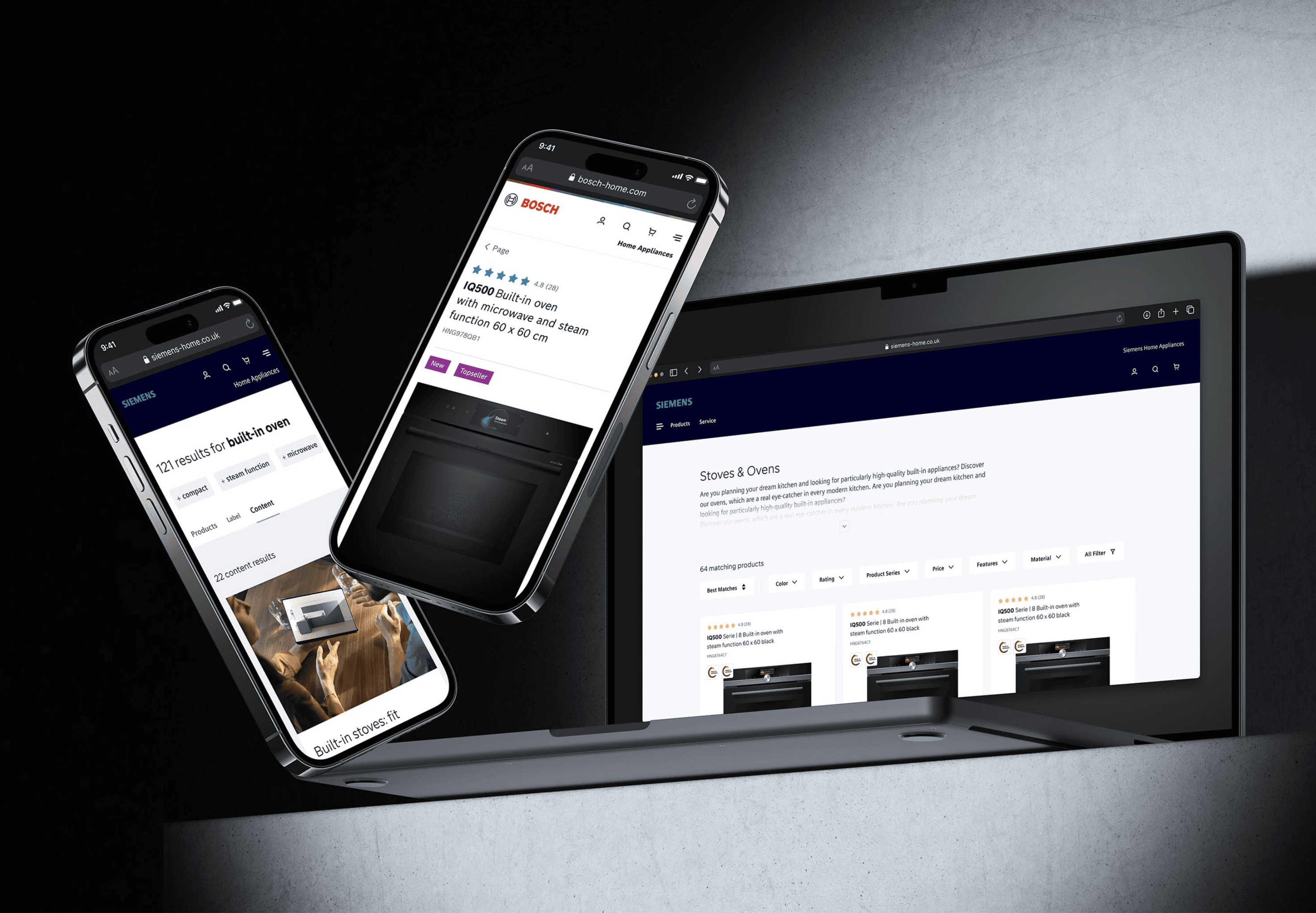
BSH is globally renowned for excellent physical home appliances, but historically, the digital purchasing process was almost exclusively handled by external retailers. The task was to strategically build up direct-to-consumer (D2C) digital sales. As Experience Design Lead, I spearheaded the transformation from isolated brand silos to a centralized e-commerce ecosystem. By establishing a comprehensive Design System, we were able to technologically unite 6 corporate brands across 10 countries and establish a user-centric shopping experience.
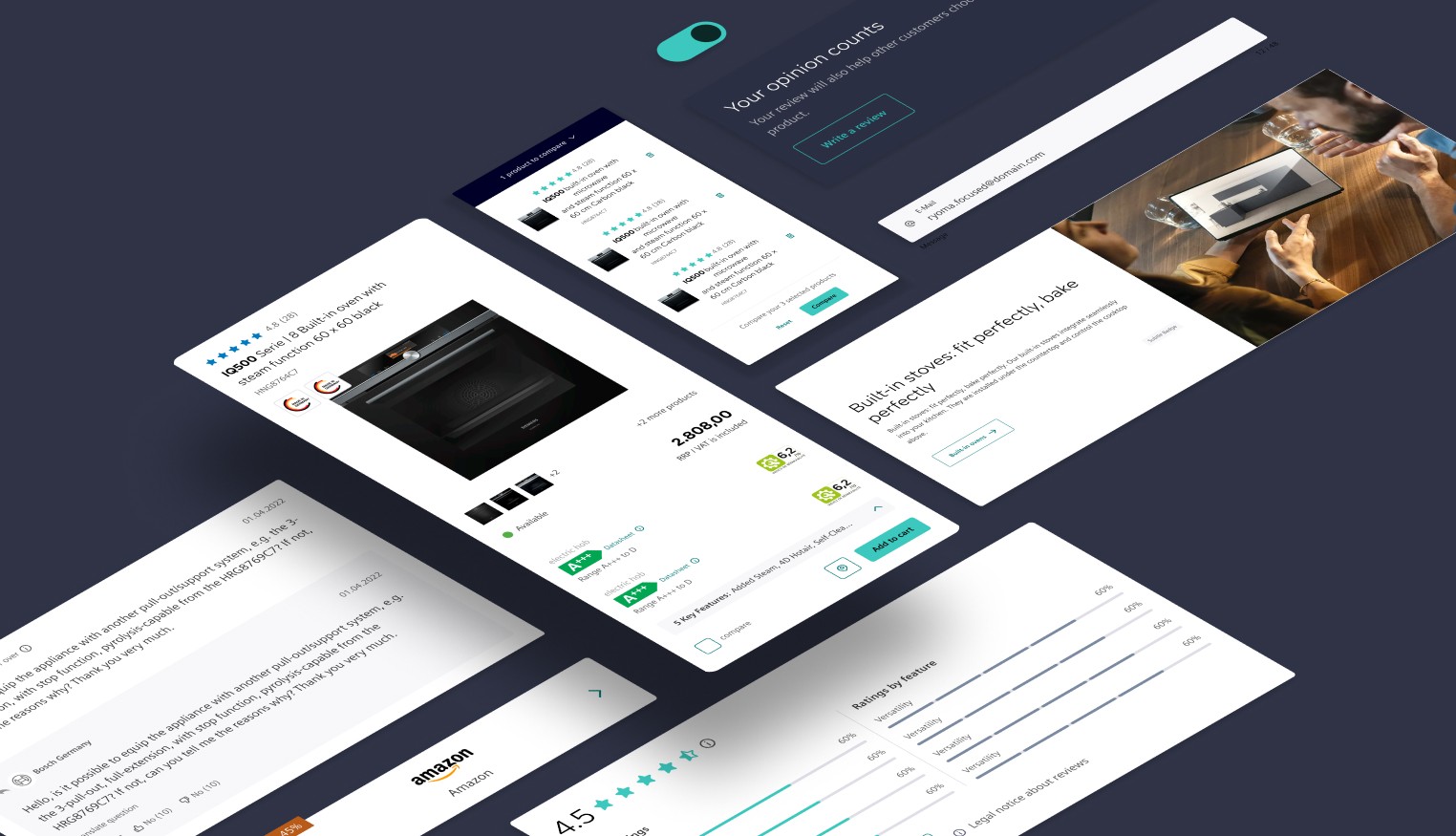
The Problem: Siloed solutions and a missing end-to-end journey
Each BSH brand (like Bosch, Siemens, Neff) has a specific target audience and its own KPIs. In the past, this led to technical silos, fragmented experiences, and a lack of communication between teams. The biggest shared problem: There was no true end-to-end journey. The brands conveyed values, but the most important part – the actual purchasing process – could never be directly managed. The goal was to embed brand values not just in the physical device, but to deliver on them for the first time through a proprietary digital direct sales channel (D2C).
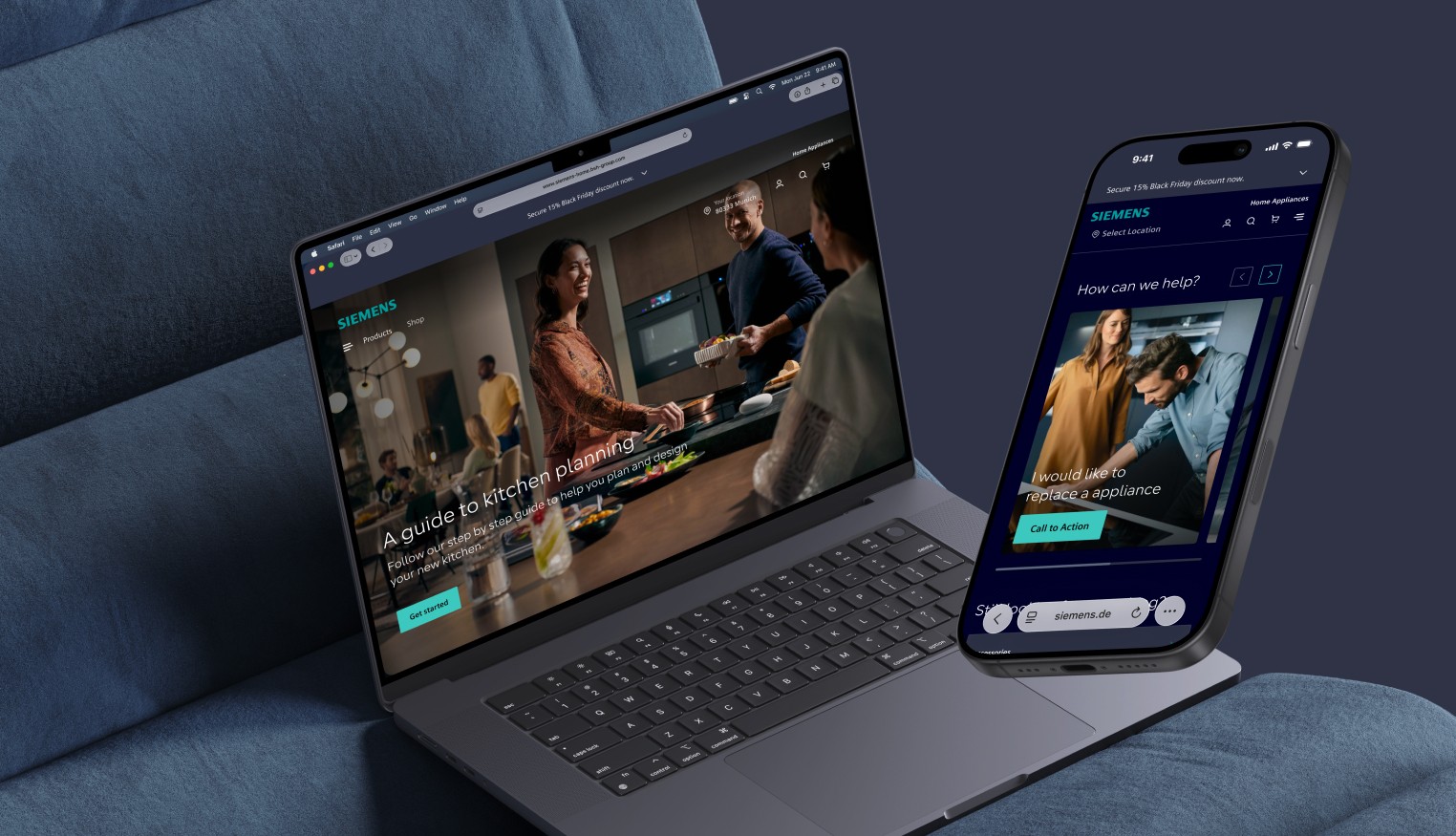
The Path: From spare parts image to a trusted platform
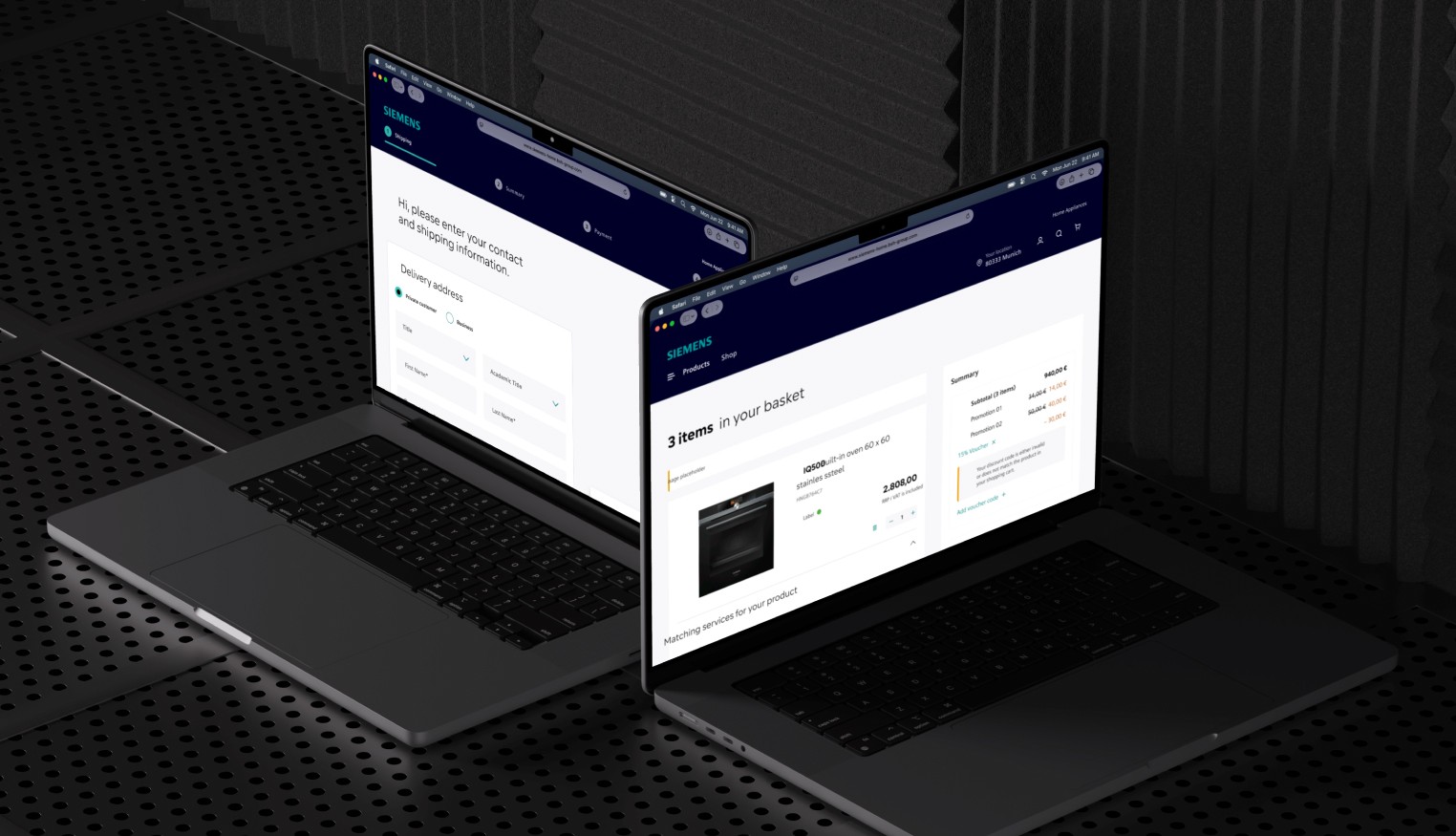
The starting point was a comprehensive roadmap aiming at a clearly defined MVP. Early user interviews revealed a fascinating hurdle: Customers often didn't perceive the brands digitally as full-fledged shopping platforms, but primarily as spare parts retailers. From these learnings, we derived the MVP and initially focused on the Product List Page (PLP) and Product Detail Page (PDP). Subsequently, one of the biggest strategic UX challenges was the checkout: Buying large appliances (e.g., a dishwasher including freight delivery) is complex. We had to make this process maximally simple and trustworthy to guide users to a successful purchase.
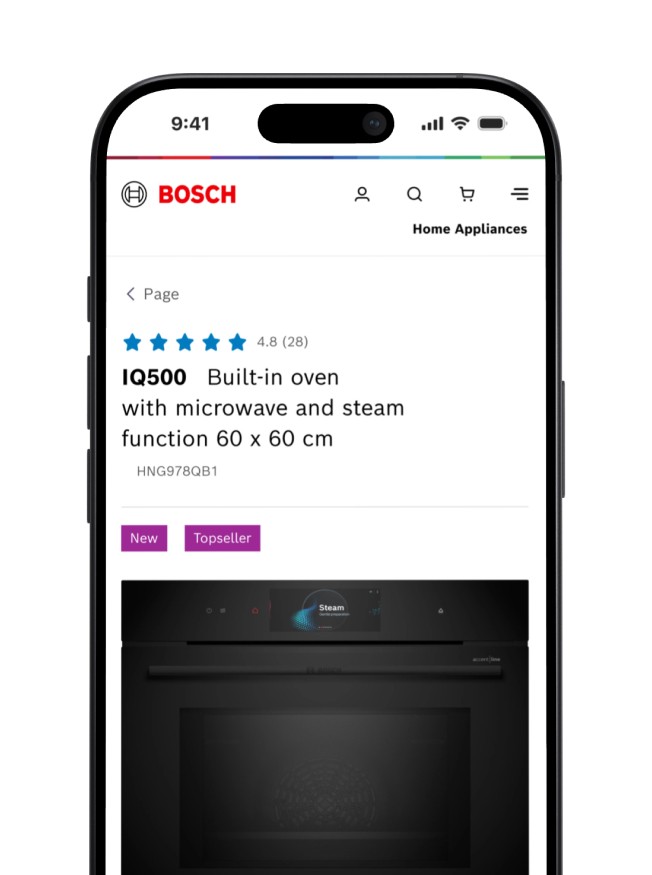
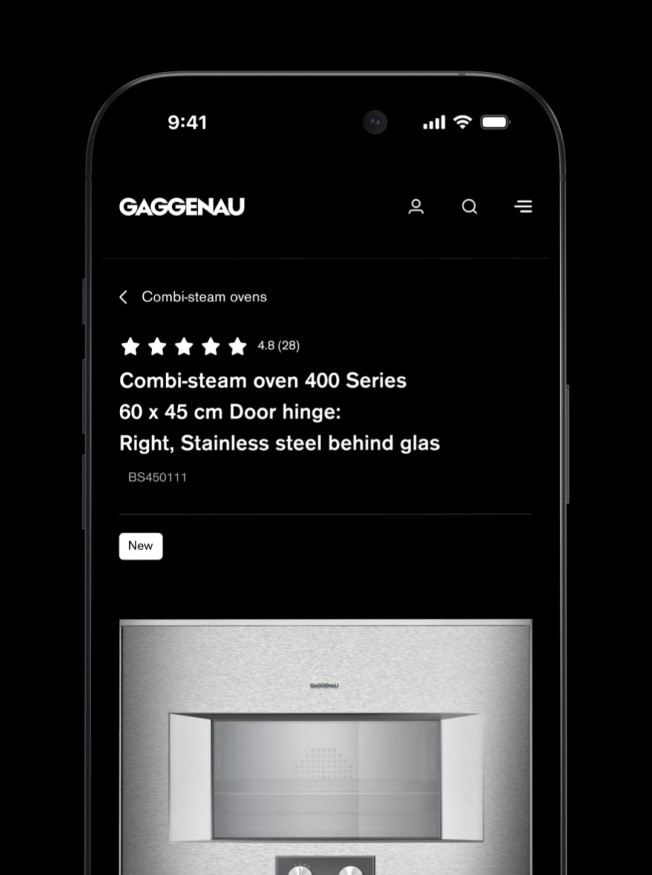
Design System: The roof for six identities
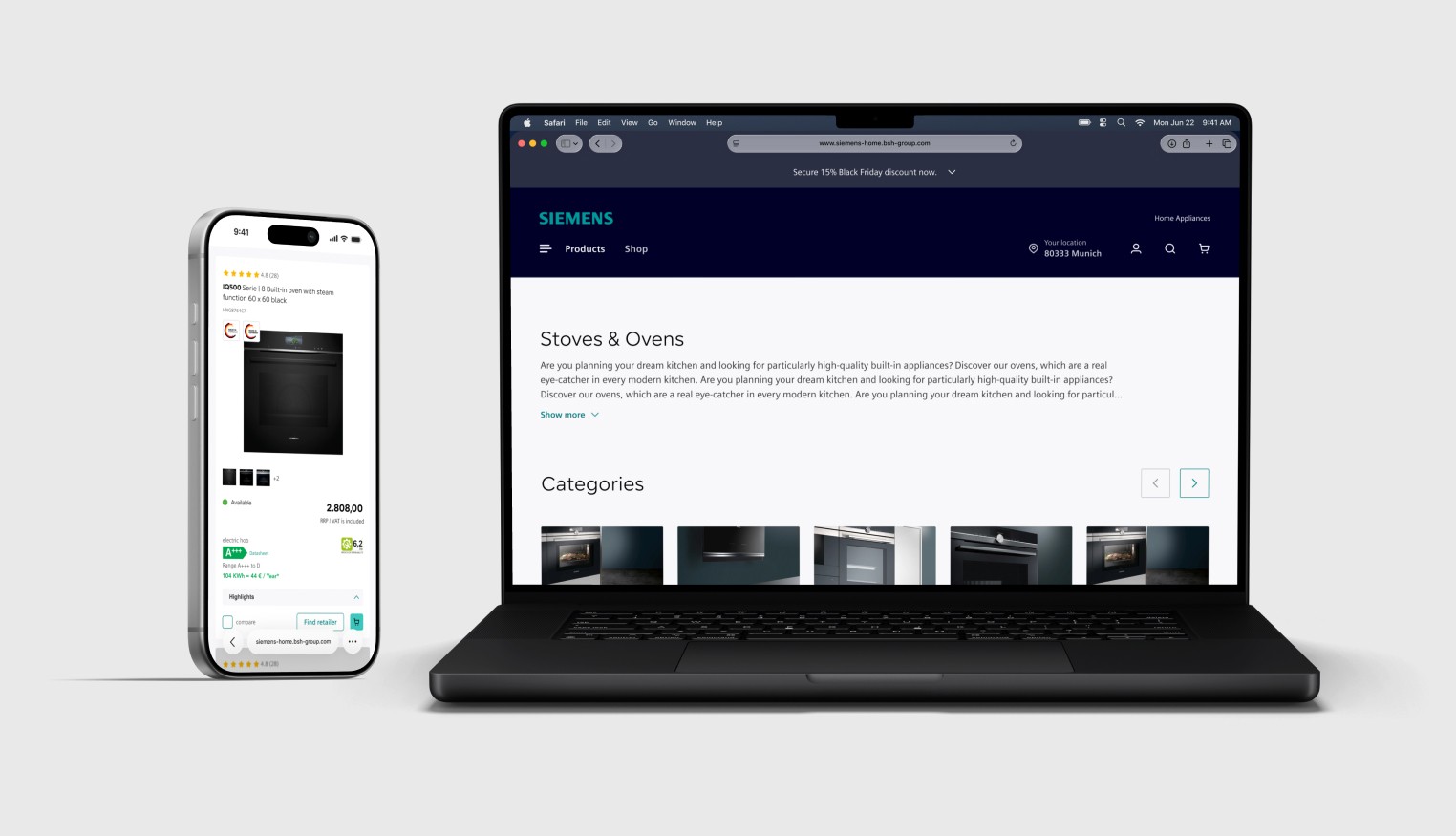
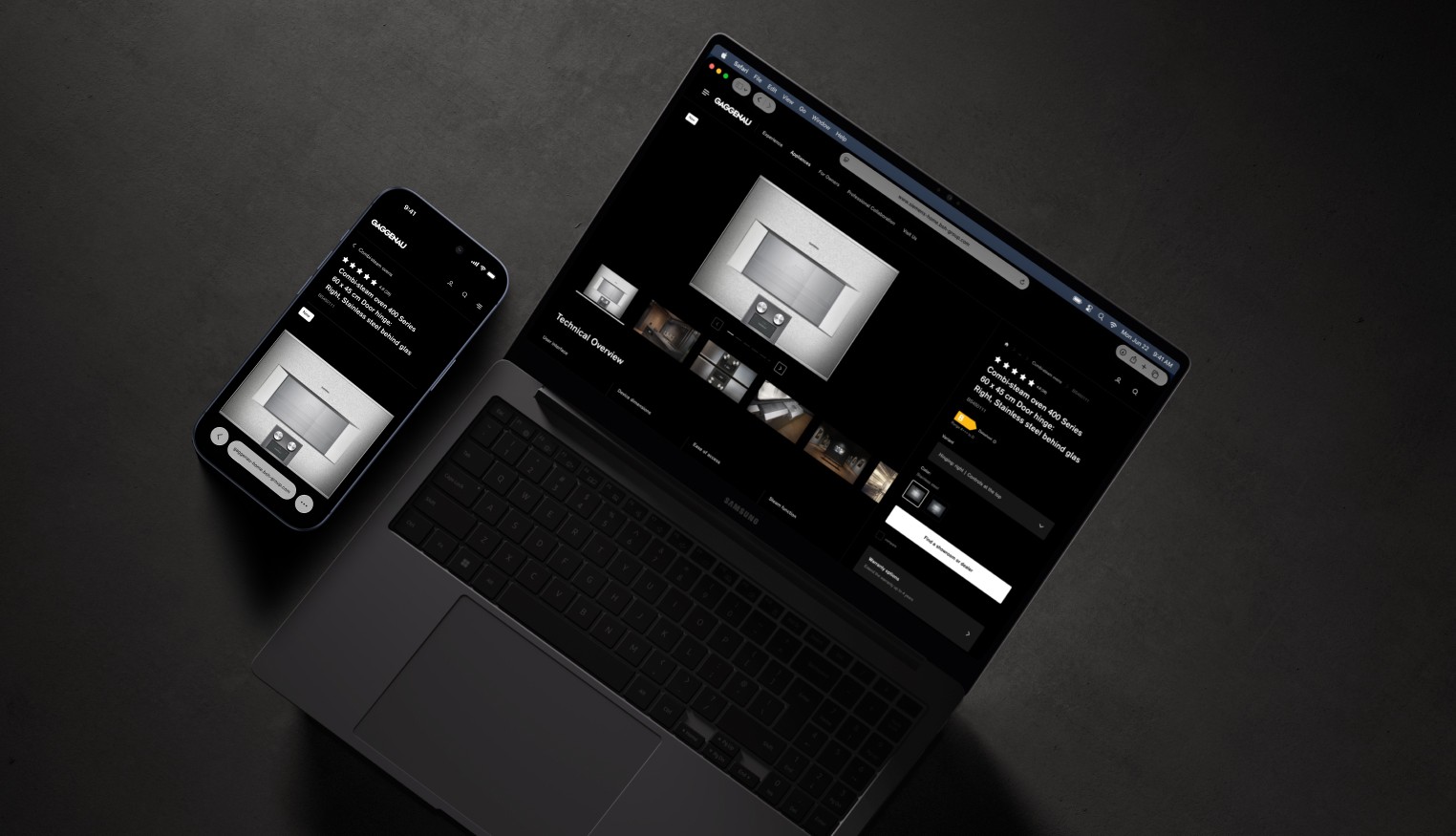
To scale the platform across all brands, we established a central Design System as a unifying roof. It combines the specific brand identities with cross-brand, standardized UI components.
The decisive added value of this systematic approach: We finally moved away from endless, subjective design discussions. Instead, the team's focus shifted to true functional product optimizations from which every single brand automatically benefited.
Business Impact & Results
The shift from isolated solutions to a centralized, validated product strategy delivered enormous business value:
Successful setup and scaling of the D2C e-commerce solution for 6 brands in 10 countries.
+60% conversion uplift (in core markets) through targeted UX optimization of the large-appliance checkout and core journeys.
Massive efficiency gains in development, as the Design System served as the "Single Source of Truth," eliminating redundancies between brand teams.